Where we work

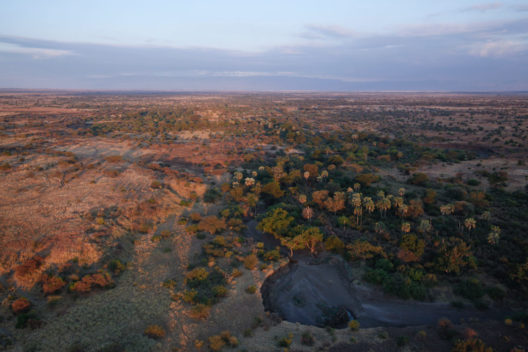
We focus solely on community-owned and managed Areas in Tanzania.

The objective is to empower these communities to start, grow, and lead their own conservation efforts so that they function as self-reliant social enterprises.

This conservation work is concentrated in large landscapes that serve as crucial wildlife dispersal areas and critical migratory routes,. The strategic target is to support at least 10 WMAs across Tanzania, covering a minimum of 2,000,000 hectares.

What is a Wildlife Management Area or WMA?

 A Wildlife Management Area (WMA) is a designated area of communal land in Tanzania where local communities are empowered to sustainably manage wildlife resources for both conservation and economic gain.

WMAs were established under Community-Based Natural Resource Management (CBNRM) principles, serving as a critical mechanism to ensure communities derive tangible benefits from protecting wildlife. Governed by legal instruments, communities form an Authorized Association (AA), which is responsible for resource management.

WMAs are crucial to the country’s conservation landscape, as they:

  • Support Tanzania’s Economy: They contribute significantly to the economic value of national parks and wildlife, bolstering Tanzania’s Tourism Growth Strategy by providing key wildlife dispersal areas and corridors.
  • Represent Local Ownership: They are designed to put the power and profits of conservation directly into the hands of the people who live with the wildlife.

Geographic Scope

The organization currently supports 13 community-owned WMAs across three key regions in Tanzania, covering a total of 1.9 million hectares of protected land for wildlife and natural habitat. This substantial coverage is viewed as nationally significant, strengthening regional ecological connectivity and contributing to national conservation goals.

The scale of the engagement is comprehensive, impacting over half a million lives through support in the WMAs, engaging 113 villages in the process. The WMAs supported include the largest partner, Makame (3,719 km²), and the smallest, Burunge (283 km²). The investments are made in areas that have clear ecosystem value and strong potential for success.

What is a wildlife dispersal area or corridor?

A wildlife corridor and a wildlife dispersal area are landscapes that are critical for wildlife movement and survival, especially in Tanzania’s vast ecosystems.

 Wildlife Corridors

A wildlife corridor is fundamentally a vital link for wildlife movement and genetic diversity, connecting major protected areas. The existence of these corridors is essential for conserving Tanzania’s biodiversity, critical habitats, and migratory species.

Examples of important wildlife corridors mentioned in the sources include:

  • Selous-Niassa Wildlife Corridor: This corridor provides a critical link for wildlife between Nyerere National Park and Niassa National Reserve.
  • Ruaha-Katavi Ecosystem corridor: Waga Wildlife Management Area (WMA) is cited as serving as a critical buffer zone within this corridor, linking to Ruaha National Park.
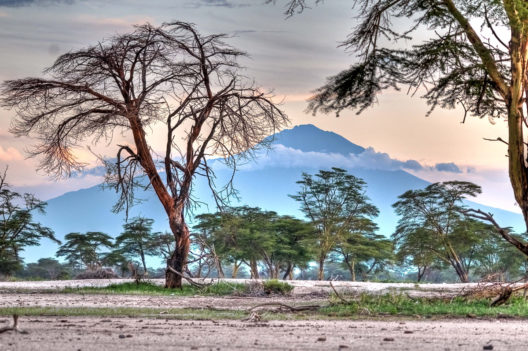
  • Kilimanjaro-Amboseli Ecosystem: This area hosts seasonal migrations and free movement for wildlife through its corridors and dispersal areas.

These areas are necessary to connect protected zones, as large mammals often require much more habitat than is circumscribed by national parks.

Wildlife Dispersal Areas

A wildlife dispersal area is a large landscape, often community-owned land outside of national parks, where wildlife moves seasonally. The protection of these areas is necessary for conserving Tanzania’s biodiversity, critical habitats, and migratory routes.

Specific examples of dispersal areas highlighted in the sources include:

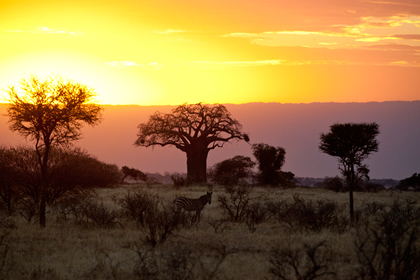
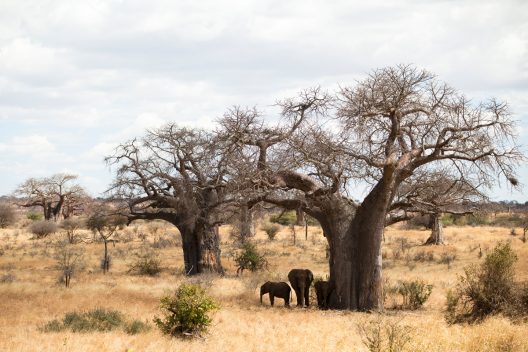
  • Tarangire Ecosystem: Wildlife disperses outside of Tarangire National Park (NP) in the wet season. The WMAs in the Tarangire-Manyara ecosystem (including Burunge, Makame, and Randilen) form critical dispersal areas and migratory corridors.
  • Lolkisale and Makuyuni: These areas are cited as important dispersal areas for the largest subpopulation of elephants in northern Tanzania. The Makuyuni Elephant Dispersal Area (MEDA) was identified as an important wet season dispersal area for the northern elephant subpopulation of Tarangire.
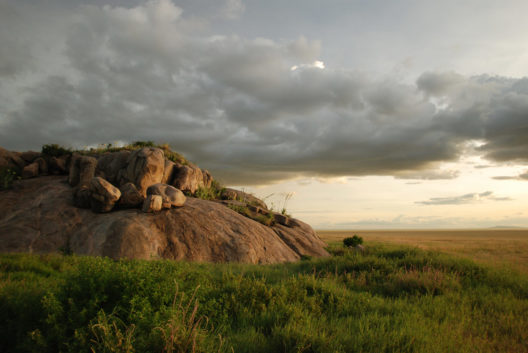
  • Serengeti-Mara Ecosystem: The Ikona and Makao WMAs compose some of the most critical migratory routes in this ecosystem, essential for the annual migration of wildebeest, zebra, and gazelle.
60%

WILDLIFE ON COMMUNITY LAND

Securing these areas is critical.

Given that over 60% of Tanzania’s wildlife lives on community land rather than in national parks, securing these dispersal areas and corridors is essential to preserve the country’s biodiversity. Without effective conservation in these critical lands, wildlife risks losing habitat, leading to population declines and threatening migratory routes.

3 CRITICAL ECOSYSTEMS

In Northern Tanzania, the Tarangire-Serengeti ecosystems cover 6,736 km² of critical wildlife corridors across WMAs like Randilen and Makao, supporting the region’s largest elephant populations and the famed Serengeti wildebeest migration.

In Southern Tanzania, the Nyerere–Selous–Mikumi landscape spans a vast 12,810 km², preserving crucial woodlands and maintaining the vital Selous-Niassa transboundary wildlife corridor linking Tanzania and Mozambique.

Central and Western Tanzania’s Ruaha-Katavi ecosystem covers 1,931 km², protecting important elephant populations, the Great Ruaha River, and key habitats that buffer Ruaha National Park.

Landscapes with Potential

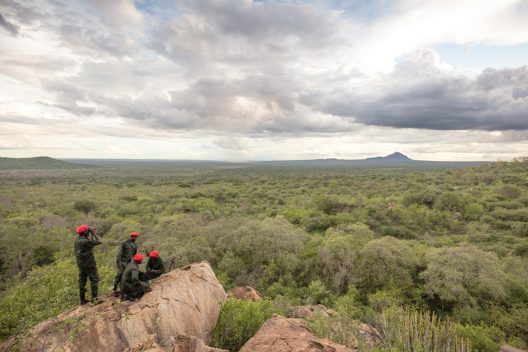
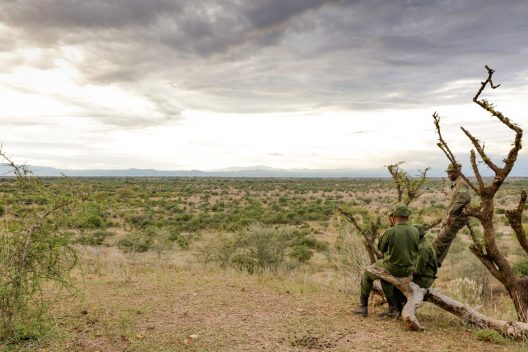
We work in ecologically critical areas that support wildlife and local livelihoods, focusing on places with the right conditions for success: supportive politics, collaborative stakeholders, and communities committed to effective wildlife management.

Our Latest News

Innovation That Delivers: Small Ideas, Big Impact

INTRODUCTION They say necessity is the mother of invention, and for WMAs facing mounting challenges with limited resources, getting inventive was not a choice; it was a necessity. At Honeyguide, we never set out to

Doing More With Less

Boosting Efficiency in WMAs The Business of Community Conservation Community Conservation Areas (CCAs) are known by various names across Africa. In Tanzania, they are Wildlife Management Areas (WMAs); in Kenya and Uganda, they are referred