Our Stories2026-02-06T07:43:37+00:00

We Make
Conservation
Successful on
Community Land

Honeyguide News

Innovation That Delivers: Small Ideas, Big Impact

INTRODUCTION They say necessity is the mother of invention, and for WMAs facing mounting challenges with limited resources, getting inventive was not a choice; it was a necessity. At Honeyguide, we never set out to become "innovators." We simply needed to solve problems quickly while helping WMAs do more with

Doing More With Less

Boosting Efficiency in WMAs The Business of Community Conservation Community Conservation Areas (CCAs) are known by various names across Africa. In Tanzania, they are Wildlife Management Areas (WMAs); in Kenya and Uganda, they are referred to as Conservancies; and in Zambia, they are known as Community Resource Boards (CRBs). Despite

From Hunter to Guardian

How the EU-Funded KUWA Project is Changing Lives in Kisungule For much of his life, Saidi Alfani, a small-scale farmer from Magazini village in the Kisungule Wildlife Management Area (WMA) in Southern Tanzania, relied on traditional hunting to support his family. Like many in his community, Saidi viewed wildlife

Trust in Numbers

Why Financial Transparency Matters in Community-Led Conservation  Introduction  What if conservation wasn’t a guessing game? What if every dollar meant to protect wildlife and support communities was tracked and transparent for all to see? Picture a village bordering a wildlife reserve where people and nature should thrive together. A

Unleashing the power of community ownership

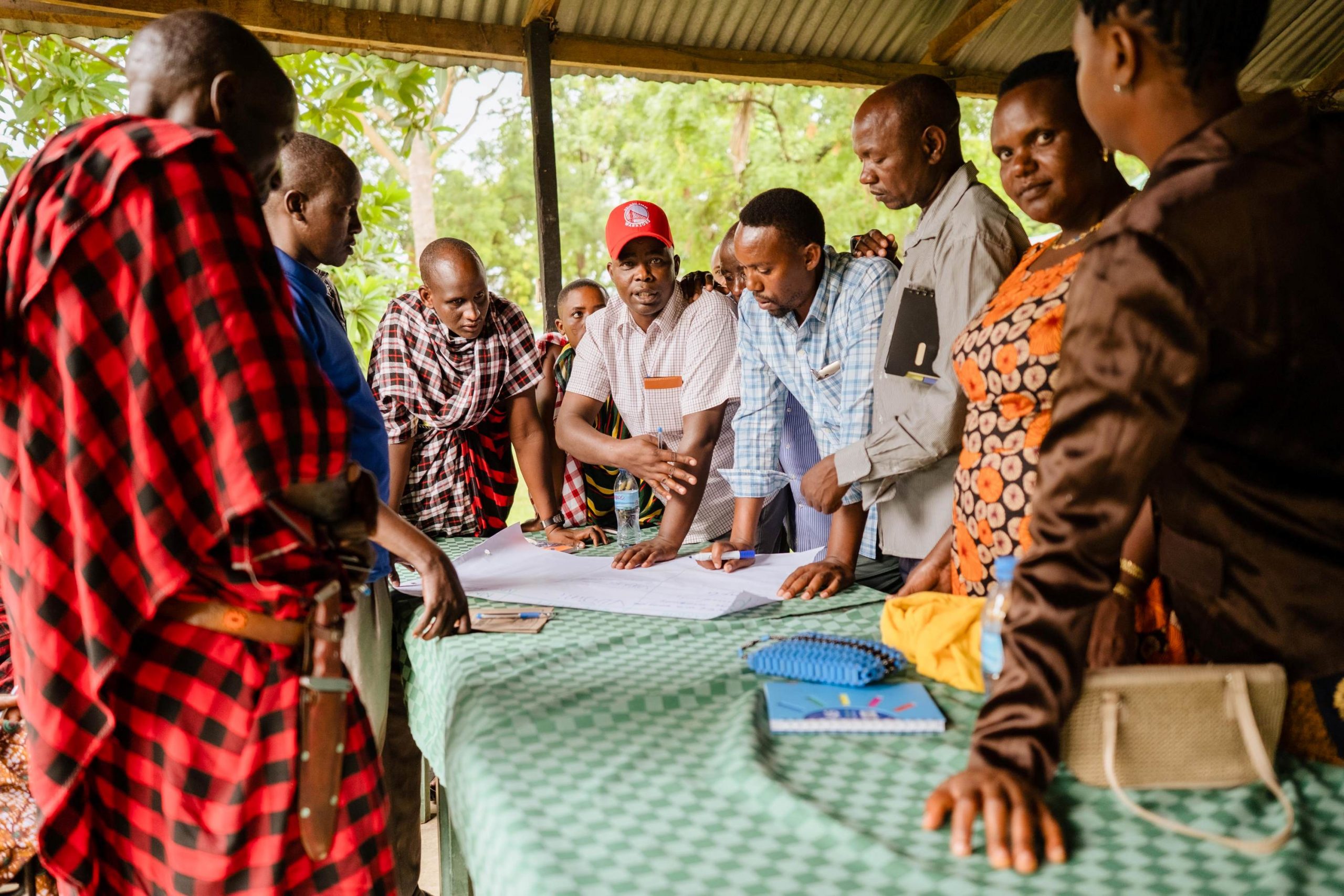
Above is a group photo after a session to validate and approve the communication strategy for Burunge WMA as developed jointly by the governance and management teams from both the Honeyguide Foundation and Burunge WMA Success Story: From Conflict to Collaboration: Unleashing the power of community ownership to transform

A Model of Community-Led Conservation Success

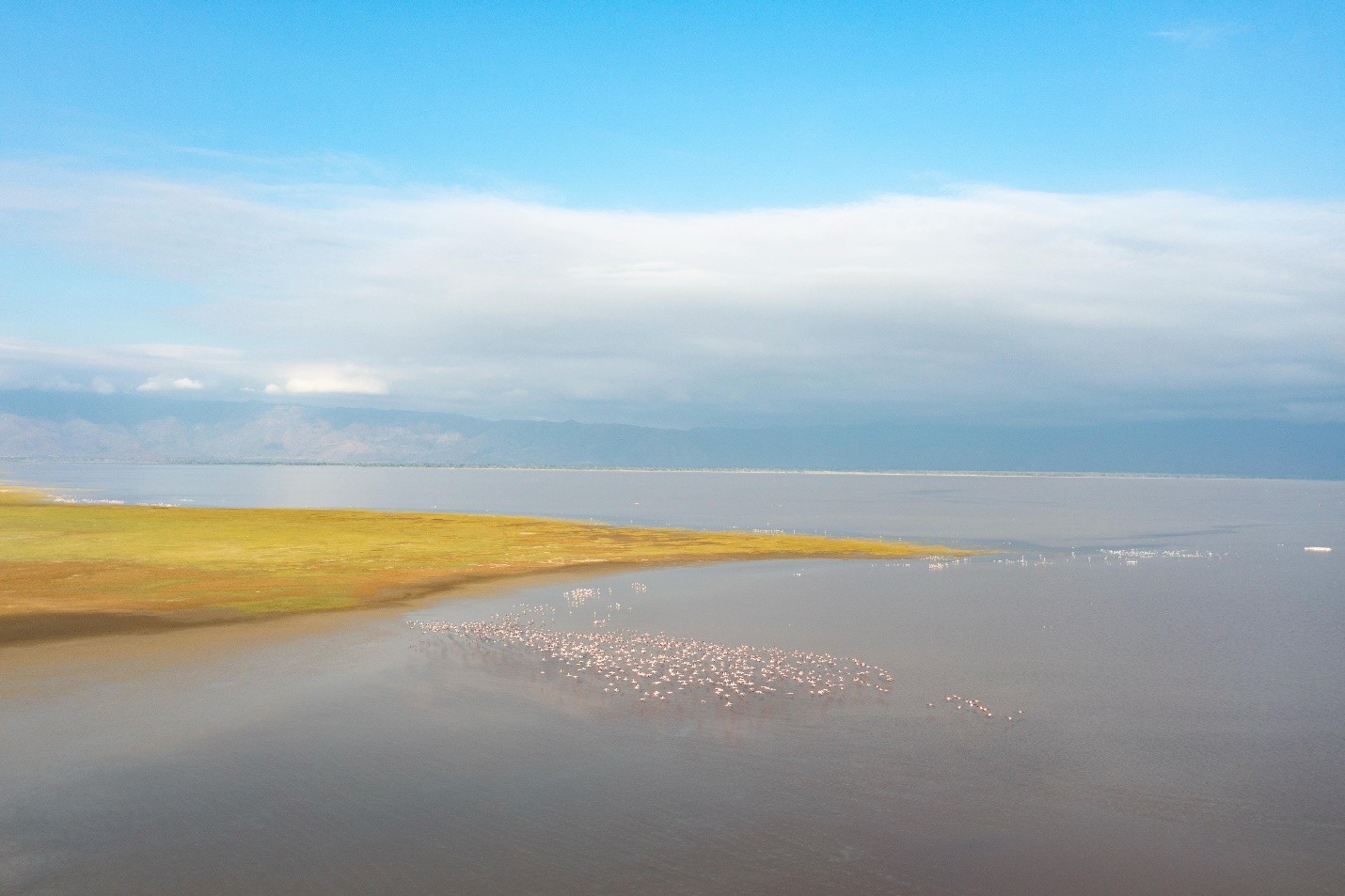
Photo above: Lake Burunge  photo Monica Dalmaso Burunge Wildlife Management Area: A Model of Community-Led Conservation Success Background Established in 2004, the Burunge Wildlife Management Area (WMA) in Northern Tanzania is a community-owned conservation haven. Strategically positioned between the iconic Tarangire and Manyara National Parks, Burunge serves as a

Increasing Revenues-Generating Funds For Business

Introduction Across the vast landscapes of Wildlife Management Areas (WMAs), revenue is more than a number, and success is not just financial. Revenue serves as the backbone for communities working to balance conservation with survival. Here, pursuing financial sustainability is more than just a goal—it is a lifeline. For

Improving Local Livelihoods in Burunge

Improving local community livelihoods and habitat through  equitable governance and effective management of Burunge  Wildlife Management Area Project Background Burunge Wildlife Management Area (BWMA) is a community-owned and managed protected area in Babati District, Northern Tanzania. Spanning 28,300 hectares, it is situated near Tarangire National Park and

Communities have the capacity to manage big businesses

It is too common to hear, ‘Local communities do not have the skills to manage conservation areas.’ This might be somewhat true, but shouldn’t we question why this is still the situation and what’s being done to change it? Local community members are perfectly competent, and we should focus

Adaption to the situation

Across the world, new moms face the universal dilemma of finding the balance between taking care of their children, working, and day-to-day responsibilities. If you are a parent, you will probably agree that the needs of your children come before your own. It’s no different for Zainab Matumbi, an accountant

The Business of Conservation

  With over 30,000 hectares invested, with revenues exceeding half a million dollars, over 15,000 shareholders expecting a return on their investment, this is a complex business, it is the business of conservation. Wildlife Management Areas are social businesses, they require funding to operate and provide tangible benefits to the

Slash Those Protection Costs

  Protection costs consume around 60% of the total operating budgets for many African conservation areas, be it national parks or the smaller community conservation areas. Most National Parks in Africa (such as the Serengeti) annually spend between 500-800 USD per square km for protection, we can see some of

Investing in Sustainable Solutions

We at Honeyguide are often reminded that not all community areas can become financially sustainable, and whilst I totally understand this, I believe that many can achieve financial independence. We are a naturally optimistic organization, we have to be in order to approach such ambitious objectives and celebrate these fabulous

Go to Top