Building Collective Power for Equitable Governance
“The law says we should be there,” one group of women reflected during a breakout session, “but the decision-making room still finds ways to leave us out.”
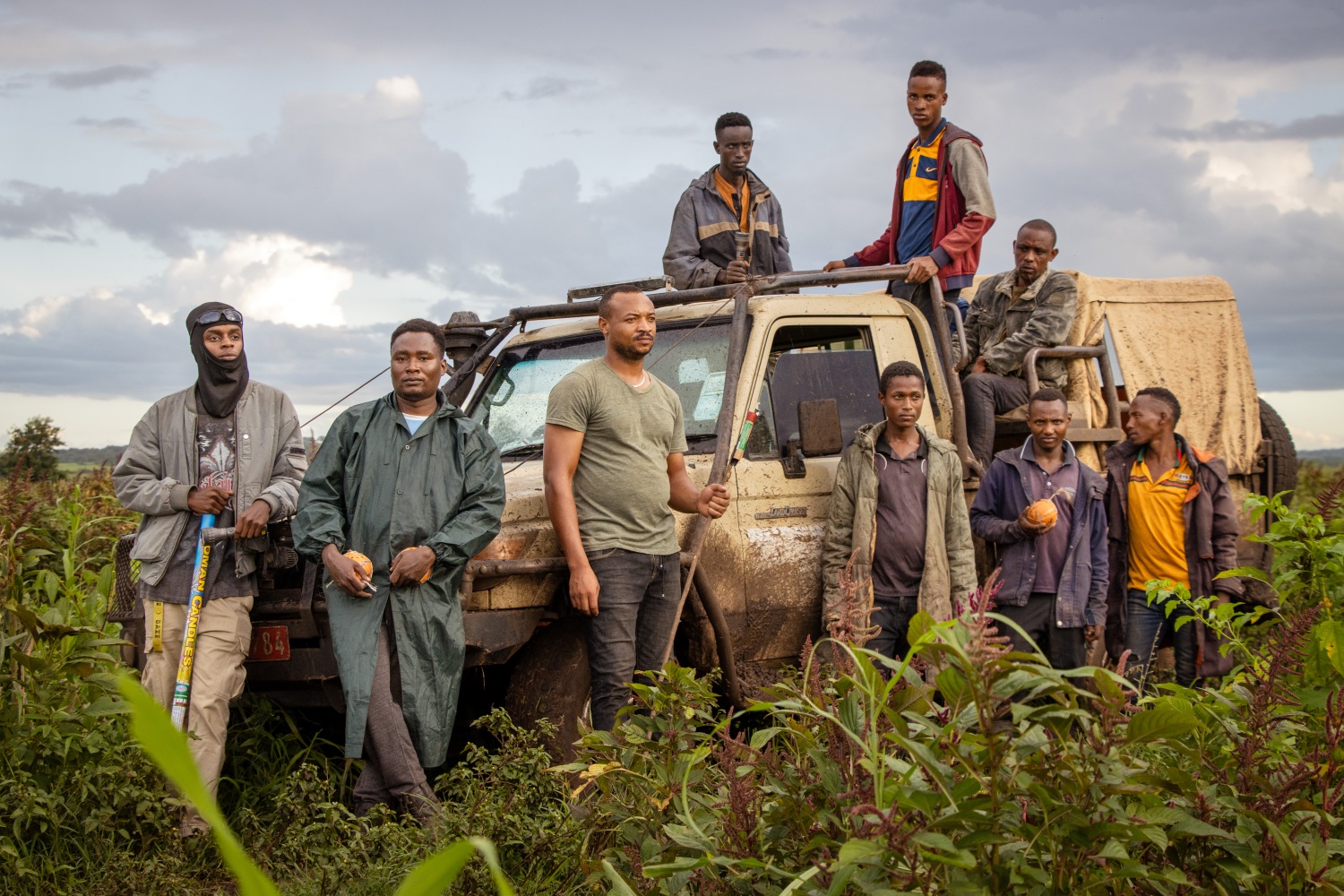
INTRODUCTION They say necessity is the mother of invention, and for WMAs facing mounting challenges with limited resources, getting inventive was not a choice; it was a necessity. At Honeyguide, we never set out to become "innovators." We simply needed to solve problems quickly while helping WMAs do more with less. Crops were being destroyed,
Boosting Efficiency in WMAs The Business of Community Conservation Community Conservation Areas (CCAs) are known by various names across Africa. In Tanzania, they are Wildlife Management Areas (WMAs); in Kenya and Uganda, they are referred to as Conservancies; and in Zambia, they are known as Community Resource Boards (CRBs). Despite the different labels, the model
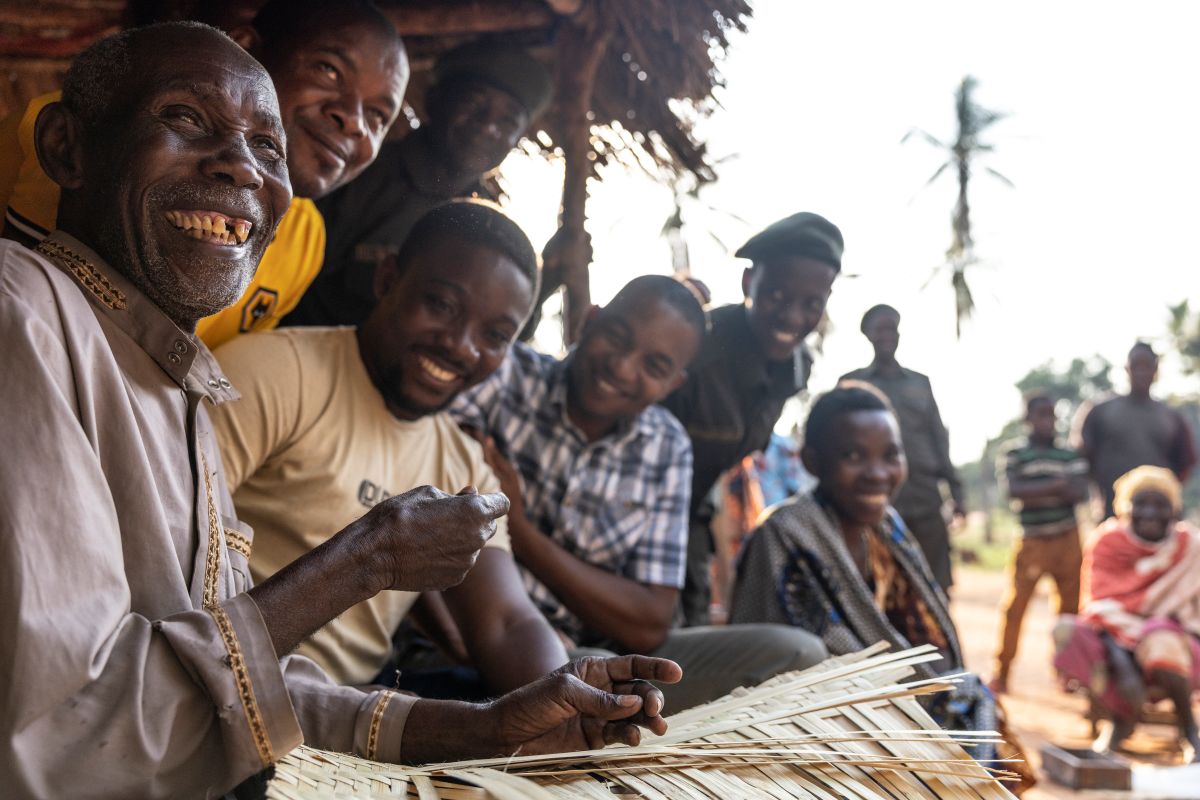
How the EU-Funded KUWA Project is Changing Lives in Kisungule For much of his life, Saidi Alfani, a small-scale farmer from Magazini village in the Kisungule Wildlife Management Area (WMA) in Southern Tanzania, relied on traditional hunting to support his family. Like many in his community, Saidi viewed wildlife simply as a resource, unaware
Why Financial Transparency Matters in Community-Led Conservation Introduction What if conservation wasn’t a guessing game? What if every dollar meant to protect wildlife and support communities was tracked and transparent for all to see? Picture a village bordering a wildlife reserve where people and nature should thrive together. A new conservation project arrives, promising
Above is a group photo after a session to validate and approve the communication strategy for Burunge WMA as developed jointly by the governance and management teams from both the Honeyguide Foundation and Burunge WMA Success Story: From Conflict to Collaboration: Unleashing the power of community ownership to transform governance in Burunge WMA Project
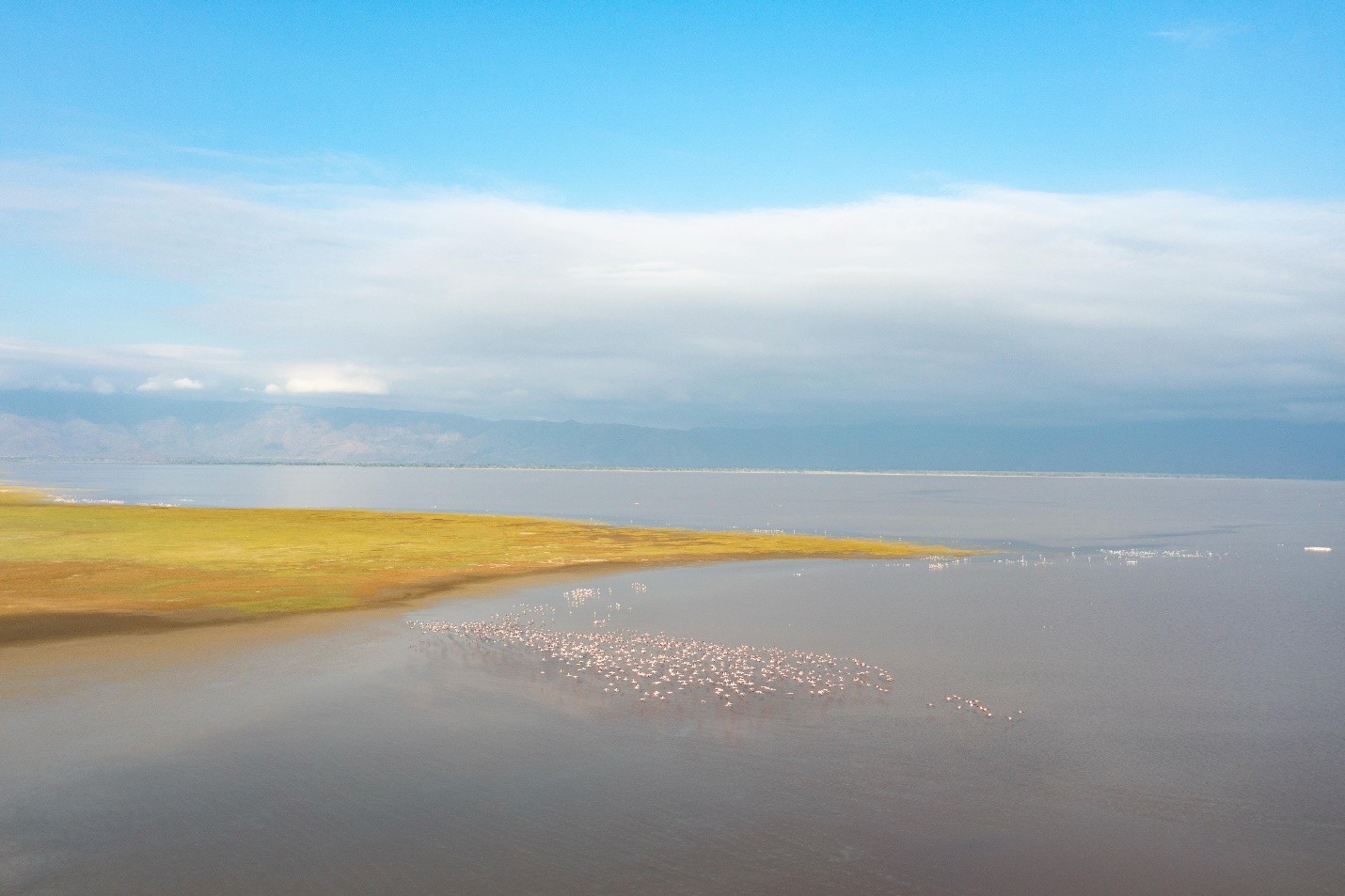
Photo above: Lake Burunge photo Monica Dalmaso Burunge Wildlife Management Area: A Model of Community-Led Conservation Success Background Established in 2004, the Burunge Wildlife Management Area (WMA) in Northern Tanzania is a community-owned conservation haven. Strategically positioned between the iconic Tarangire and Manyara National Parks, Burunge serves as a critical migratory corridor within the
Introduction Across the vast landscapes of Wildlife Management Areas (WMAs), revenue is more than a number, and success is not just financial. Revenue serves as the backbone for communities working to balance conservation with survival. Here, pursuing financial sustainability is more than just a goal—it is a lifeline. For WMAs to survive, they must
Introduction: In the realm of conservation, success isn't just a matter of passion; it's a matter of numbers. Imagine a simple calculation: 20+40+40+100=200. While I may not be a mathematician, even these straightforward computations reveal the essence of community-based conservation. In this blog, we delve into the crucial role of financial sustainability in creating
Improving local community livelihoods and habitat through equitable governance and effective management of Burunge Wildlife Management Area Project Background Burunge Wildlife Management Area (BWMA) is a community-owned and managed protected area in Babati District, Northern Tanzania. Spanning 28,300 hectares, it is situated near Tarangire National Park and Lake Manyara National Park, serving
Copyright 2025 Honeyguide | All Rights Reserved